
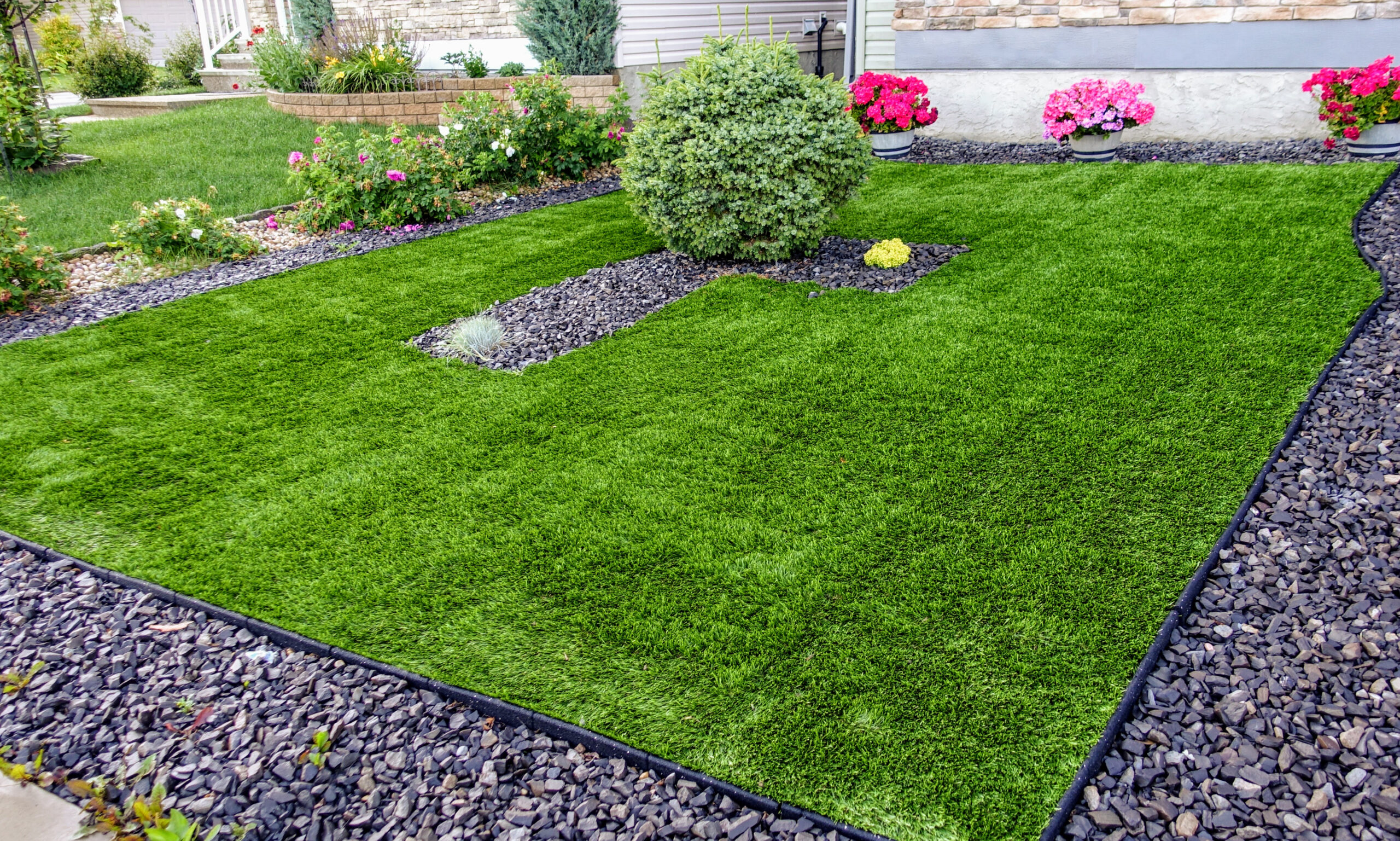
Unveiling Thirsk’s Natural Beauty: An Overview
Thirsk, a quintessential market town nestled in the heart of North Yorkshire, is embarking on a transformative journey to highlight and enhance its inherent charm through innovative landscaping. The town’s picturesque scenery, characterized by verdant fields and historic architecture, forms a perfect canvas for aesthetic and sustainable landscape projects. Emphasizing natural beauty while accommodating modern sensibilities stands as the cornerstone of this initiative.
Landscaping efforts are geared towards creating visually appealing, functional spaces that preserve the town’s rich heritage. The integration of traditional and contemporary design elements will aim to boost Thirsk’s appeal to both residents and visitors alike. By enhancing public areas and reinforcing the natural landscape, the town is set to further cement its status as a jewel in Yorkshire’s crown.
This initiative not only aims to beautify the town but also to promote environmental sustainability. The strategic incorporation of native flora and eco-friendly materials reflects a commitment to ecological stewardship, ensuring that the enhancement of Thirsk’s aesthetic appeal also contributes positively to the local ecosystem.
Revitalising Thirsk’s Public Spaces: Key Goals
The primary objective in revitalising Thirsk’s public spaces is to create inviting, inclusive environments that encourage community interaction and cultural activities. By redesigning areas such as Market Place, the Riverside Walk, and the town’s numerous greens, the plan aims to foster a sense of community and make the public spaces more accessible and enjoyable for all demographics. Enhanced seating areas, improved pedestrian pathways, and the introduction of versatile public art installations are part of this vision.
Another crucial goal is to boost local business by increasing foot traffic in the town centre. Thoughtfully designed landscapes can significantly enhance the appeal of shopping and dining areas, thereby attracting more visitors and potentially increasing economic activity within the town. Integrating green spaces and leisure areas near commercial zones can create a seamless transition that encourages longer visits and greater expenditure.
Lastly, enhancing safety and functionality is paramount. This involves the strategic placement of lighting, the use of durable, low-maintenance materials, and the design of clear, navigable routes throughout public spaces. These elements are essential in ensuring that Thirsk’s landscapes are not only beautiful but also practical and secure for everyday use.
Green Innovations: Sustainable Practices Adopted
Thirsk’s landscaping initiative places a strong emphasis on sustainability. One of the standout practices adopted is the use of rain gardens and bioswales, which naturally manage stormwater runoff, reducing the burden on traditional drainage systems while enhancing the visual appeal of the area. These features support local biodiversity and help maintain the balance of the regional ecosystem.
The town has also embraced the use of renewable materials in its landscaping projects. Recycled plastics and locally sourced stone are used in construction and decorative elements, minimizing the carbon footprint associated with transporting materials. Additionally, solar-powered lighting and irrigation systems are implemented to reduce energy consumption and promote a greener community infrastructure.
Complementing these technical innovations, the town encourages community involvement through educational programs about sustainable gardening and the benefits of native planting. These initiatives cultivate a community ethos focused on environmental responsibility and active participation in the town’s green transformation.
Floral Splendour: Introducing Native Plant Species
In an effort to preserve Thirsk’s local flora and fauna, the landscaping project prioritises the use of native plant species. These plants are not only adapted to the local climate and soil conditions but also provide essential habitat and food sources for native wildlife. By incorporating species such as the Yorkshire Fog grass and North England’s native wildflowers, the town’s gardens and green spaces are transformed into vibrant, self-sustaining ecosystems.
The aesthetic benefits of using native plants are manifold. These species offer a variety of colours and textures that change with the seasons, providing year-round visual interest. From the spring blooms of the English bluebell to the autumnal hues of the field maple, these plants create a dynamic landscape that reflects the natural beauty of Yorkshire.
Moreover, the use of native plants significantly reduces maintenance costs and water usage. These species generally require less fertiliser and are more resistant to local pests and diseases, which contributes to a more sustainable and cost-effective landscaping strategy.
Water Features: Enhancing Serenity and Aesthetics
Water features are integral to the new landscaping designs in Thirsk, bringing a sense of tranquillity and a dynamic aesthetic element to the town’s public spaces. Reflective pools, small cascades, and ornamental ponds are being introduced, each designed to complement the existing character and layout of the locations. These features not only serve as focal points but also create soothing soundscapes that enhance the sensory experience of the spaces.
The ecological aspect of these water features is also meticulously planned. They are designed to be self-sustaining with minimal water usage, incorporating rainwater harvesting systems that reduce demand for municipal water supplies. Moreover, these water bodies support local biodiversity, providing habitats for amphibians, insects, and bird species indigenous to the area.
From an aesthetic standpoint, water features add a reflective quality that can amplify the beauty of the surrounding landscape. They are strategically placed to reflect sky, flora, and surrounding architecture, integrating seamlessly into the overall design to enhance the visual appeal of Thirsk’s outdoor spaces.
Community Spaces: Encouraging Social Interaction
The redesign of Thirsk’s landscapes places a strong emphasis on community spaces that foster social interaction and cultural exchange. Open lawns, community gardens, and amphitheatres are being developed as versatile areas where festivals, markets, and outdoor performances can take place. These spaces are designed to be flexible, accommodating a wide range of activities that can bring people together, enhancing community cohesion and spirit.
Interactive elements such as play areas for children, fitness trails for adults, and quiet zones for relaxation are included to cater to diverse needs and preferences. These facilities not only encourage physical activity and well-being but also ensure that public spaces are utilised by a wide cross-section of the community.
Incorporating seating arrangements that promote interaction, such as circular bench layouts around focal points like sculptures or fountains, also encourages community members to gather and engage with one another. This thoughtful placement of furniture invites residents to pause, relax, and connect with their surroundings and fellow citizens, reinforcing the social fabric of Thirsk.
Lighting the Way: Atmospheric Evening Environments
Enhancing Thirsk’s public spaces extends into the evening hours through the strategic use of lighting. The aim is to create safe, inviting, and atmospherically lit environments that encourage evening activities and extend the usability of outdoor spaces. Energy-efficient LED lights illuminate pathways, highlight architectural features and landscapes and provide a warm ambience that enhances the town’s evening charm.
Lighting design in Thirsk focuses not only on aesthetics but also on environmental impact. The use of motion sensors and solar-powered units helps to reduce energy consumption, while carefully directed lighting minimises light pollution, preserving the night sky for local astronomers and wildlife. This approach ensures that enhancements are both beautiful and responsible.
The lighting also plays an important role in security, making spaces more accessible and less intimidating after dark. This increased visibility helps to extend the hours during which public spaces are used, contributing to a vibrant night-time economy and a sense of safety and community amongst residents.
Future Visions: Long-Term Projects and Plans
Looking to the future, Thirsk is committed to the ongoing development and refinement of its public landscapes. Long-term plans include the continuous adaptation of spaces to meet evolving community needs and environmental standards. This involves regular reviews and updates to landscaping designs, ensuring that they remain functional, attractive, and sustainable for years to come.
One of the ambitious projects on the horizon is the development of a green corridor linking key areas of the town with its outskirts. This pathway will not only facilitate safe, scenic travel by foot and bicycle but also serve as a linear park, enhancing connectivity and green space within the town. Such initiatives aim to integrate nature and mobility seamlessly into daily life.
Additionally, Thirsk plans to leverage technological advancements in smart landscaping. Future projects could include the use of IoT sensors to monitor plant health, soil moisture, and resource use, allowing for precise management of the urban landscape. This smart integration will propel Thirsk into a new era of urban planning, where technology and nature work hand in hand to create an optimal environment for all residents.