
- Understanding the Basics of Deck Design
Designing the perfect deck is both an art and science that requires a careful blend of creativity, practicality, and technical knowledge. At its core, deck design involves determining the right position, size, and layout of your deck, taking into account the existing landscape and architectural style of your home. A well-designed deck not only enhances your outdoor living experience but also increases the value of your property.
When designing your deck, it is important to consider its primary function. Is it going to be a tranquil sanctuary where you can relax, a vibrant entertainment hub for family gatherings, or a functional outdoor kitchen? Your answer will influence the overall design of your deck, including its size, shape, and features. Remember, the most effective deck design is the one that aligns with your lifestyle and personal preferences.
Moreover, you should also consider local building codes and regulations, which may dictate parameters such as deck height, railing specifications, and privacy guidelines. It’s also beneficial to ensure your deck design includes adequate drainage to avoid water accumulation, which could potentially damage your deck and create safety hazards.
- Evaluating Your Outdoor Space: What to Consider
When planning your deck, it is crucial to evaluate your outdoor space carefully. Start by considering the natural elements such as sunlight exposure, prevailing winds, views, and existing vegetation. For instance, a deck on the west side of your home might be bathed in the afternoon sun, making it an ideal spot for sunbathing, but a less comfortable place for mid-day meals.
Next, consider the physical features of your property. The shape, slope, and size of your outdoor space can significantly influence your deck design. For instance, a multi-tiered deck can be an excellent solution for a sloping backyard, while a large, flat backyard might accommodate a spacious single-level deck. Also, consider how the deck will connect with your house — should it be directly accessible from your living room, kitchen, or bedroom?
Lastly, don’t forget to consider privacy and noise. If your backyard is close to the neighbour’s property or a noisy street, design your deck in a way to minimise noise and enhance privacy. This could involve strategic positioning, using privacy screens, or incorporating sound-absorbing features into your deck design.
- Selecting the Ideal Materials for Your Deck
Choosing the right material can make or break your deck design. The most popular decking materials include wood, composite, and PVC. Wood, such as cedar, redwood, or pressure-treated pine, is a traditional choice that offers a warm, natural aesthetic. However, it requires regular maintenance to keep it looking its best and to prevent decay.
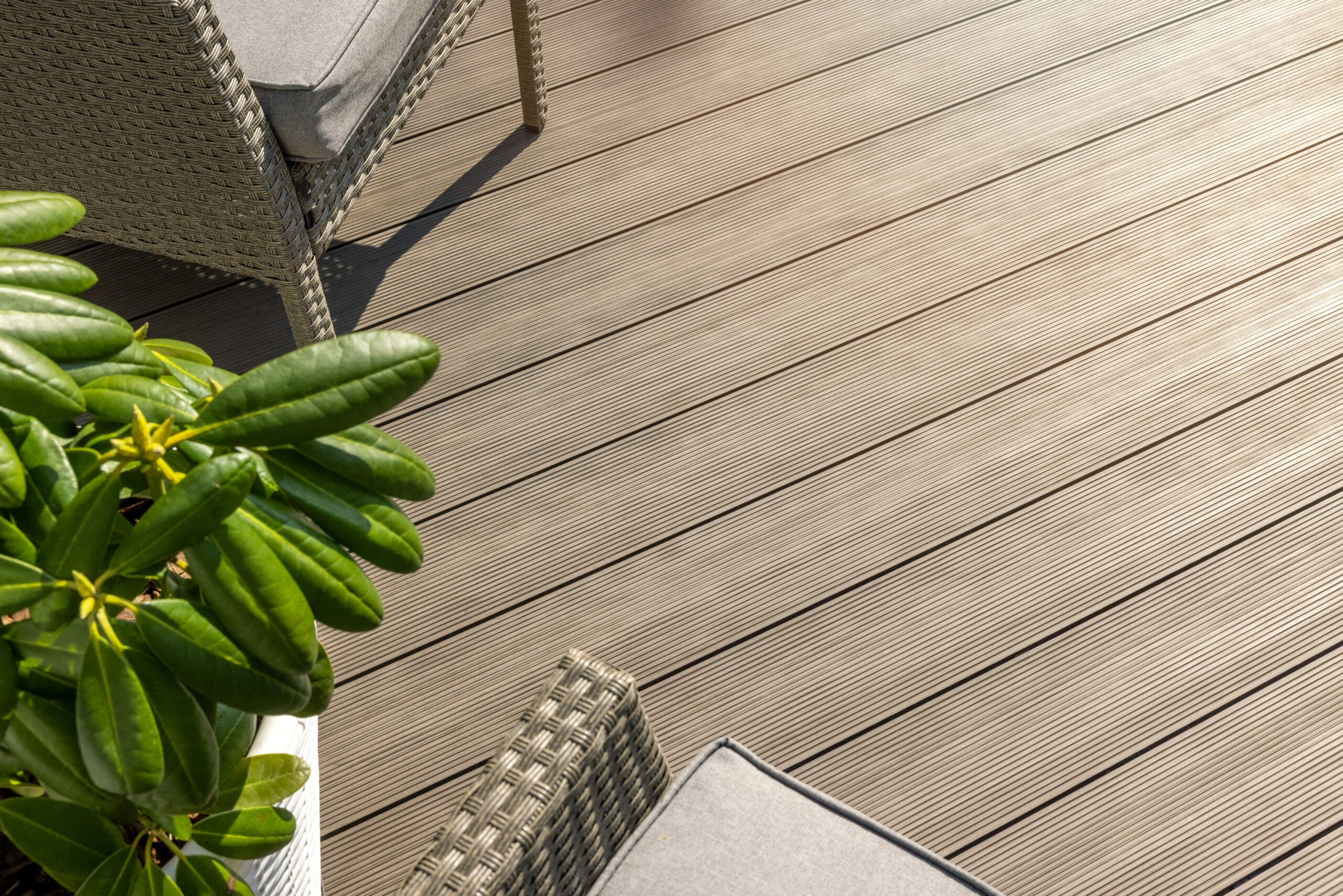
Composite decking, made up of wood fibres and recycled plastic, is a more durable and low-maintenance alternative to wood. It comes in a variety of colours and finishes, closely mimicking the look and feel of real wood. PVC or vinyl decking is another low-maintenance option that is highly resistant to stains, scratches, and mould. However, it doesn’t offer the same natural appearance as wood or composite.
When selecting your decking material, consider factors such as climate, maintenance requirements, aesthetics, and budget. Each material has its pros and cons, so it’s crucial to choose one that best suits your needs and lifestyle.
- Incorporating Functionality and Style in Your Deck Design
Functionality and style are two key elements in deck design. Start by considering the functional aspects like traffic flow, seating, storage, and dining areas. For instance, you might want to include built-in benches for seating, a pergola for shade, a built-in BBQ for alfresco dining, or a hot tub for relaxation.
Style-wise, your deck should be an extension of your home, reflecting your personal taste and complementing your home’s architectural style. Whether you prefer a rustic, modern, or traditional look, there are various design elements you can incorporate to achieve your desired aesthetic. These might include decorative railings, contrasting colour schemes, or unique decking patterns.
Moreover, remember to integrate your deck into your overall landscape design. This could involve using similar materials, colours, and design elements to create a seamless transition between your home, deck, and garden.
- Enhancing Your Deck with Outdoor Furniture
The right outdoor furniture can transform your deck into a comfortable and stylish outdoor living space. Start by deciding on the type and quantity of furniture you need. This will largely depend on how you plan to use your deck. For instance, if you love to host BBQ parties, you might need a large dining table and plenty of chairs. If relaxation is your main goal, consider adding a hammock or a chaise lounge.
When it comes to selecting your outdoor furniture, consider durability, comfort, maintenance, and style. Opt for furniture made of weather-resistant materials such as teak, aluminium, or resin wicker. For comfort, invest in high-quality cushions covered in outdoor fabric. Style-wise, choose furniture that complements your deck design and reflects your personal taste.
Finally, consider including versatile pieces that can serve multiple functions, such as a storage bench or a stool that can double as a side table. This will not only save space but also enhance the functionality of your deck.
- Introducing Lighting and Heating Elements to Your Deck
Proper lighting can significantly enhance the ambience and usability of your deck, especially after sunset. Consider integrating a mixture of ambient, task, and accent lighting. Ambient lighting provides overall illumination, task lighting is used for specific tasks such as cooking or reading, and accent lighting highlights architectural or landscaping features.
When it comes to heating, a fire pit or an outdoor fireplace can create a cosy and inviting atmosphere on your deck, extending its usability into the cooler months. Alternatively, you could install a patio heater, which provides heat without the smoke and ash associated with fire pits.
Both lighting and heating elements are not just functional but can also serve as key design features on your deck. Therefore, select fixtures that complement your deck design and create the right mood for your outdoor living space.
- Maximising Your Deck’s Potential: Practical Tips
To maximise your deck’s potential, consider incorporating multi-purpose areas. For instance, a dining area can double as a workspace, or a seating area can serve as a mini outdoor cinema. Also, consider including built-in features such as planters, storage benches, and BBQ stations to save space and add functionality.
Moreover, consider integrating your deck with your garden to blur the lines between indoor and outdoor spaces. This could involve using similar materials and colours in your deck and garden design, incorporating planters and green walls on your deck, or creating seamless transitions with steps or walkways.
Lastly, remember to design your deck for all seasons. This might involve including a pergola or canopy for shade in the summer, a fire pit or heater for warmth in the winter, and appropriate drainage for the rainy months.
- Maintaining Your Deck: How to Keep It Looking Stunning
Regular maintenance is key to keeping your deck looking stunning and prolonging its lifespan. This typically involves cleaning, sealing, and inspecting your deck annually. Cleaning removes dirt, stains, and mould, while sealing protects your deck from moisture and UV damage. When inspecting your deck, look for signs of rot, loose boards, or any other potential safety hazards.
When it comes to cleaning and sealing, it’s important to use products that are suitable for your decking material. For instance, wood decks typically require a specific type of cleaner and sealer, while composite or vinyl decks may need a different set of products.
Lastly, consider scheduling your deck maintenance in the spring or early summer when the weather is typically dry and mild. This will give your deck plenty of time to dry after cleaning and before applying the sealer, ensuring the best results.